Aviation Switching Module – NSN 4920-01-250-2696 (AS-IS / Untested): Aerospace Electrical Control Component
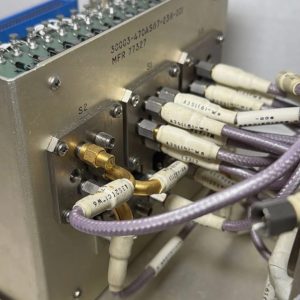
The Aviation Switching Module – NSN 4920-01-250-2696 (AS-IS / Untested) combines recognizable aviation hardware, an identifiable National Stock Number, potential electrical-control functionality, and commercial value for informed specialist buyers.
The Aircraft Switching Module offers potential maintenance or restoration value, while the Aerospace Switching Module must be inspected for condition, completeness, modification, and storage-related deterioration.
The Aircraft Electrical Switching Module may route selected circuits, while the Aviation Electrical Control Module, Aircraft Power Switching Module, Aerospace Electrical Control Unit, and Aircraft Signal Switching Module terms should not be interpreted as confirmed functions without documentation.
The Aviation Control Module may be associated with a larger Aircraft Electronic Switching System, while the Aerospace Switching Unit and Aircraft Electrical Module should be inspected before connection or installation.
Why NSN Verification Matters
A matching NSN can improve identification, but it does not establish present condition, functional status, completeness, or suitability for a particular aircraft or test system.
The exact manufacturer, model number, electrical specifications, switching functions, and associated equipment should be confirmed through reliable technical references whenever available.
Evaluating Surplus Aircraft Electronics
Transparent AS-IS terms help specialists evaluate price and risk realistically.
Bench testing should begin only after technical documentation, circuit protection, connector identification, and safe power requirements are established.
Aircraft Switching Module Applications
The product page should avoid assigning a cockpit, power-distribution, test-set, or mission-system function without evidence.
Switch movement can be checked gently for obvious binding or damage, but mechanical movement does not establish electrical operation.
Maintaining a Switching Module Assembly
An Aerospace Switching Module may use a durable enclosure, secure connectors, internal wiring, switches, relays, terminal assemblies, circuit boards, or other configuration-specific components.
Connectors should be examined for bent pins, pushed-back contacts, corrosion, contamination, cracked inserts, damaged threads, broken keyways, missing caps, and impact marks.
Evaluating Aircraft Electrical Components
Discoloration near connectors or switches may indicate electrical heat, chemical exposure, or ordinary aging and should be investigated.
Methodical inspection protects the integrity and research value of the Aircraft Electrical Switching Module.
Aircraft Electrical Control Applications
Similar-looking modules may use completely different pin assignments and operating voltages.
High-resolution photographs can preserve readable details before cleaning or restoration.
Power Switching Module Inspection
Controlled bench evaluation should be completed by personnel familiar with aerospace electrical hardware.
Power-input and output terminals should be checked for looseness, heat discoloration, corrosion, damaged insulation, and unsuitable previous repair.
Aerospace Module Troubleshooting
Its internal design may include electromechanical components, solid-state devices, wiring assemblies, circuit protection, or specialized connectors.
Replacement components should match the required electrical, mechanical, thermal, and environmental characteristics of the original design.
Aviation Signal Routing Equipment
Signal circuits can be sensitive to grounding, shielding, contact resistance, connector condition, and electromagnetic interference.
The module should not be modified with unshielded wiring or improvised connectors solely for convenience.
Professional Aviation Module Evaluation
Buyers should determine whether they need a direct replacement, restoration item, training aid, or parts source.
Every marking should be recorded before purchase or installation planning.
Aircraft Switching Unit for Maintenance or Restoration
Its value depends on identity, completeness, cosmetic condition, connector integrity, internal status, rarity, and availability of documentation.
Removable demonstration leads or external training fixtures may preserve originality better than permanent alteration.
Aerospace Power Distribution Module Considerations
Power distribution equipment may use switches, relays, terminals, bus structures, circuit protection, and control interfaces depending on design.
The original installation orientation should be researched read more where possible.
Control Unit Connector and Switch Review
The unit should be photographed before and after any preservation work.
Functional evaluation should proceed in stages, beginning with research and non-powered inspection before controlled electrical testing.
Choosing an Aviation Power Control Module
An Aviation Power Control Module can have specialized applications within aircraft systems, aerospace ground equipment, maintenance platforms, or test installations.
Power-control components may retain electrical energy or contain circuits requiring special handling depending on internal design.
Maintaining Aerospace Switching Equipment
System diagrams can help identify required inputs, outputs, grounds, control logic, and companion components.
A replacement AS-IS unit may provide useful comparative parts but should not be installed without evaluation.
Shipping Aviation Electrical Modules
The unit should not be stacked beneath heavy equipment or left on conductive surfaces.
Loose accessories should be wrapped separately and inventoried before packaging.
Buying AS-IS Aviation Electronics
An Aircraft Electrical Module should be purchased according to exact identity, intended use, condition, completeness, technical support, testing requirements, and available documentation.
Images should show labels, switches, connectors, enclosure surfaces, mounting points, fasteners, seals, internal areas if opened professionally, and included accessories.
Inspecting the Aviation Switching Module Before Purchase
A pre-purchase review should confirm the NSN, manufacturer, part number, serial number, markings, enclosure condition, connectors, switches, included accessories, storage history, modification status, and known application.
- Resolve identity, configuration, application, and package-completeness questions before payment.
- Inspect switches, knobs, indicators, connectors, pins, wiring, and terminals for damage, looseness, contamination, overheating, or unauthorized repair.
- Inspect and photograph the module immediately after delivery before cleaning, opening, powering, wiring, modifying, or removing components.
Testing the Aviation Switching Module
The module should not be powered until input requirements, polarity, grounding, circuit protection, and expected loads are understood.
Powered testing should proceed gradually while monitoring current, temperature, smell, noise, indicators, and unexpected behavior.
Restoring the Aerospace Switching Module
Professional restoration can improve the usability and value of the Aerospace Switching Module.
Photographs can document internal condition before and after work.
Aviation Switching Module Conclusion
The Aviation Switching Module – NSN 4920-01-250-2696 (AS-IS / Untested) offers stronger commercial appeal when its markings, controls, connectors, enclosure, accessories, history, and limitations are documented accurately.
Buyers should request detailed photographs, accurate AS-IS disclosures, technical research, secure transaction terms, protective shipping, and qualified evaluation where appropriate.
Whether the product is described as an Aircraft Switching Unit, Aerospace Power Distribution Module, Aircraft Electrical Control Unit, or Aviation Power Control Module, AS-IS limitations should remain clear.
With prompt attention to switches, connectors, wiring, enclosure condition, corrosion, labels, and internal components, the module can preserve its technical and commercial potential.